Repair as Co-Regulation: The Power of Owning Your Part
Take a moment to land here … softly. slowly. gently.
There’s a moment in conflict where everything tightens.
Your chest.
Your jaw.
Your certainty.
You know what happened. You know how it felt. And somewhere inside, you’re bracing—gathering your evidence, preparing to be understood.
This is the moment most of us try to repair from.
And it’s also the moment that keeps us stuck.
Because when our system is organized around defense, we’re not actually available for connection. We’re available for protection.
And the person across from us can feel that.
Not intellectually—somatically.
Their body reads your tension as threat.
And just like that, two nervous systems are in opposition.
Not because either person is wrong—
but because neither feels safe.
This is where repair often breaks down.
But there’s another way in.
Not through being “nicer.”
Not through bypassing your hurt.
Through something much more subtle.
A softening.
It’s the moment you feel the urge to defend—and instead of following it, you pause.
Your breath deepens, just slightly.
Your shoulders drop a fraction.
The urgency to prove your point loosens its grip.
And for a moment, you’re just there.
Not pushing.
Not bracing.
Not reaching for the next thing to say.
Just… here.
Something in you settles.
Or maybe it wavers, but doesn’t disappear.
And in that small shift, there’s a little more space inside your body.
Room to notice what wants to come forward.
And as that awareness begins to form, your body shifts again.
There’s less armor in your voice.
Less sharpness around the edges.
More space between you and the need to be right.
The words that come from here feel different.
They don’t push.
They don’t brace.
They invite.
And the person across from you feels that difference.
Because your nervous system is no longer signaling threat.
It’s signaling possibility.
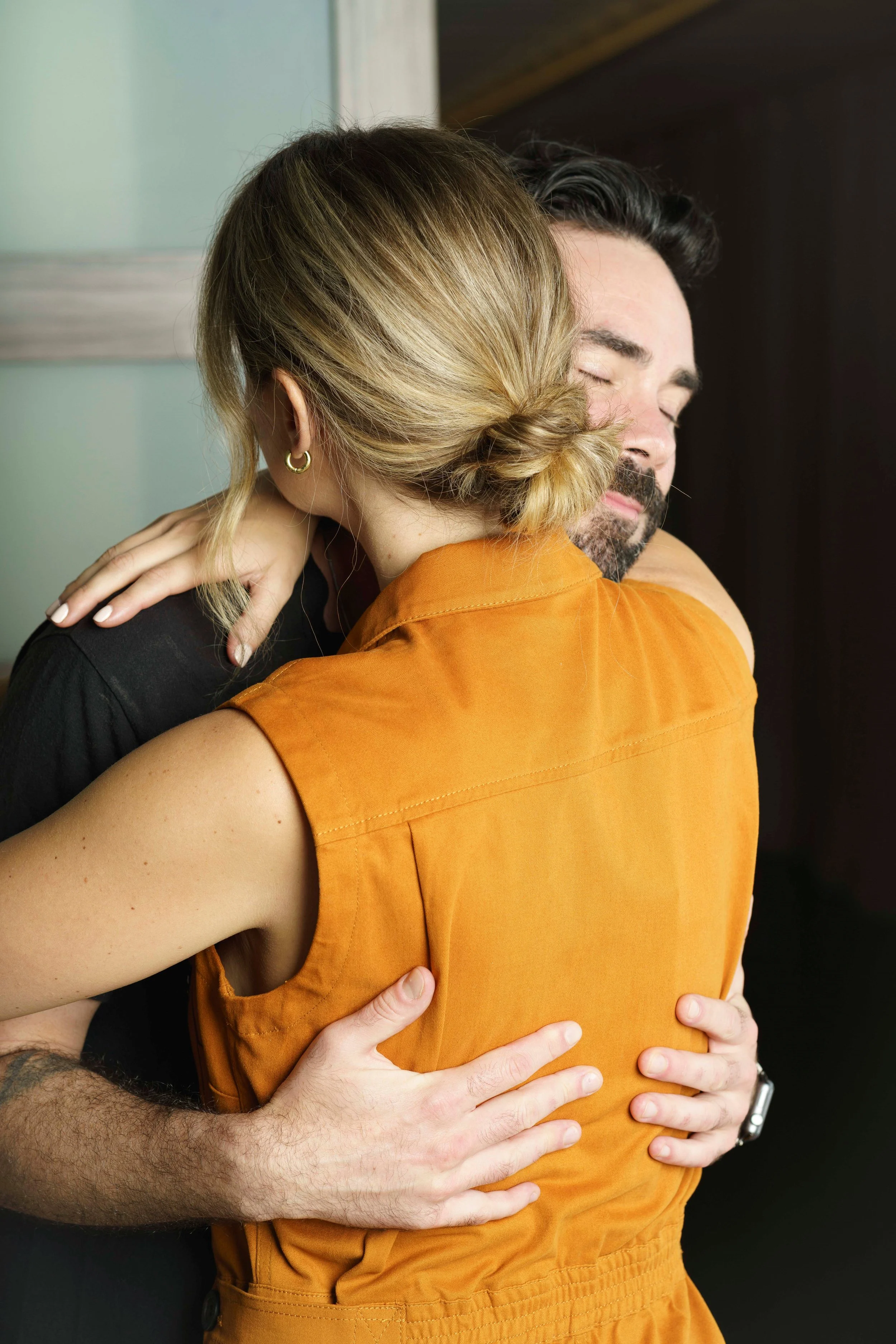
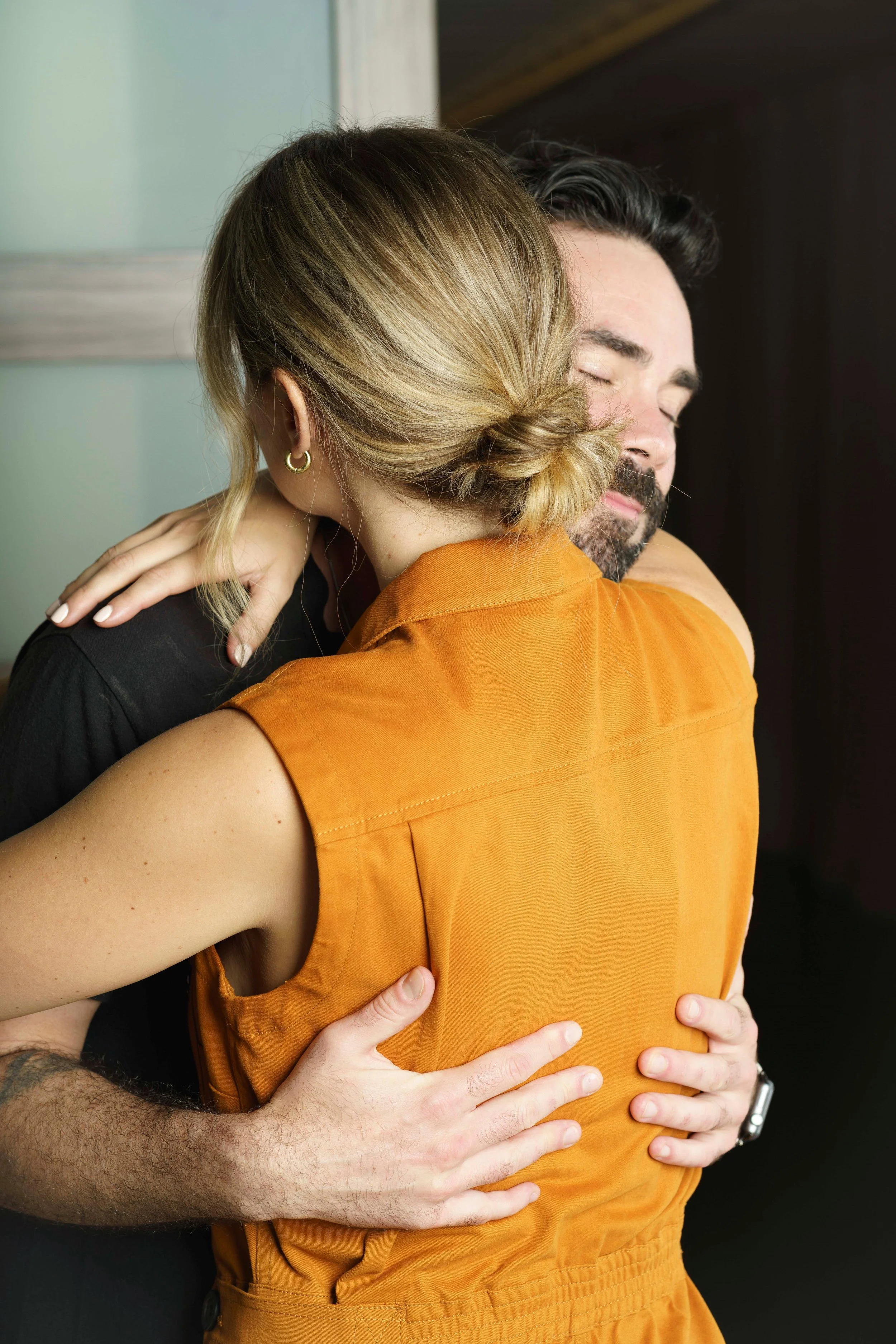
This is where co-regulation begins.
Not fixing.
Not managing.
Not taking responsibility for their emotions.
But staying grounded enough in yourself that your presence becomes a place they can land.
From there, everything changes.
Defenses lower.
Listening opens.
The conversation becomes something shared, instead of something to win.
And what you often find is this:
It was never just about the surface-level conflict.
It was about wanting to feel seen.
Considered.
Met.
Ownership creates the conditions for that to happen.
A note on context
This kind of repair is powerful—but it’s not universal.
It requires mutual capacity.
If you are in a dynamic where you are consistently dismissed, blamed, or made to question your reality, your work is not to take more responsibility in the moment.
Your work is to find safety, support, and clarity.
Repair is a two-way process.
And you deserve to be met in it.
An invitation
The next time you find yourself in conflict, notice the moment your body tightens.
Pause there.
And gently ask:
What is one small piece I can own—not to collapse, but to connect?
Start there.
You might be surprised how much shifts.

Hi, I’m Chelsea Saunders,
a trauma-informed somatic therapist, Reiki master, and breathwork facilitator based in Los Angeles. I help people resource their nervous systems, and reconnect with their bodies, desires, and relationships through embodied practices like therapy, Reiki, breathwork, and sound.
If this story resonates with you, I’d love to discover what’s possible together. You can explore my services and schedule a clarity call to see how we can work together — online or in person.
Check out more on the blog!